An AI clone of you.
Done honestly.
A broadcast-grade video avatar and voice clone, captured and trained in our studio. You keep full commercial rights. We tell you exactly how it was made, what it can do, what it can’t, and how to label it when you deploy it. $7,500, one-time.
Why a human-editing studio
offers an AI product.
We built Pod Bros on the promise that your podcast is edited by people — not a model. That’s still true, and it will always be true. But there are specific, honest use cases where an AI avatar is the right tool. We’d rather build it properly than watch you buy it from a shop that won’t tell you how it was trained.
Human-editing stays human
Your podcast, social reels, and content — all edited by our team. Zero AI-generated footage unless you explicitly opt in on this specific product.
You own everything
Full commercial rights to the avatar and the voice. We keep no usage rights. If you ever want the training data destroyed, we destroy it.
Labeled, always
We hand you a usage guide that includes disclosure language, platform-specific labeling rules, and a short list of things we strongly recommend you never do with the avatar.
Captured in our studio
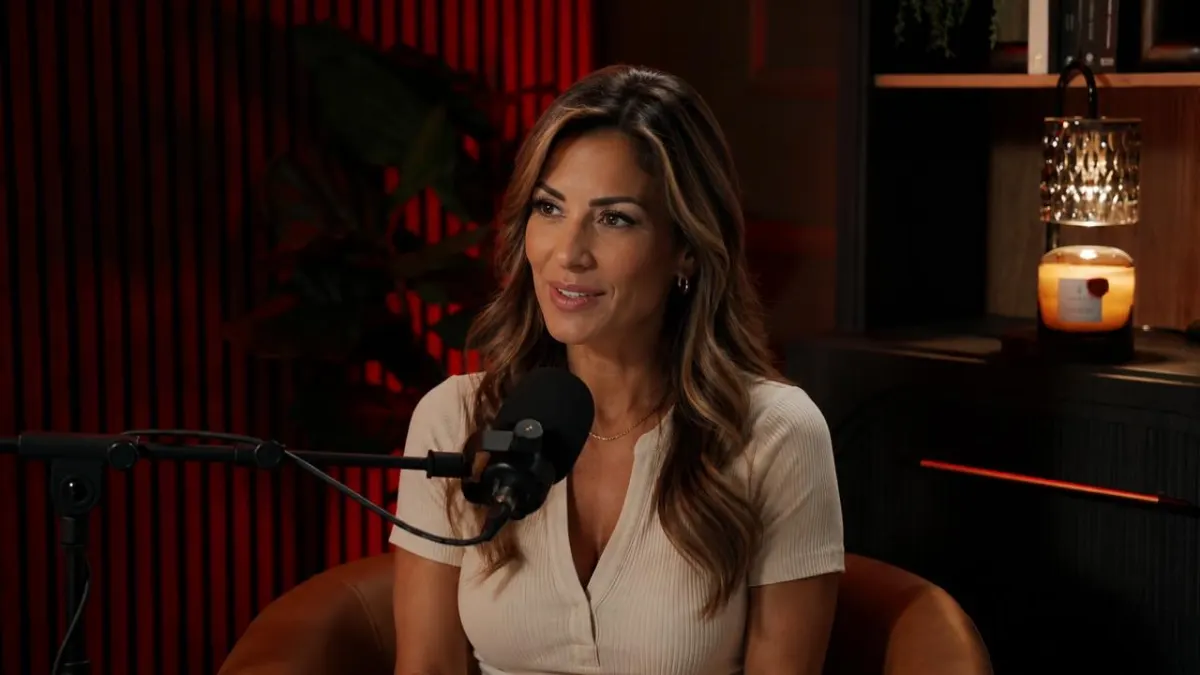
The training footage is shot on our broadcast cameras, in our studio, with our lighting. Better capture = better avatar. You can’t get this quality from phone-footage training.
What people actually
do with the avatar.
Every client who ordered one had a specific workflow problem. Here are the four that keep coming up. None of them are “replace yourself on your podcast.”
Multilingual walkthroughs
Record your product walkthrough once in English. Deploy it in Spanish, Portuguese, Japanese, German — same face, same voice, localized speech.
Sales sequence at scale
Pre-record a 30-variant sales explainer for every vertical you serve. The avatar reads the variant; your reps don’t sit through another screen-share.
Course content you update
When pricing or policy changes, you don’t re-shoot 14 modules. You update the script; the avatar re-records the two modules that changed.
Internal ops at volume
Weekly team briefings, onboarding sequences, policy rollouts. Good for any message that needs your face but doesn’t need to be live.
From consent form to working avatar.
1 · Consent + use review
We start with a conversation about what you intend to do with the avatar and flag anything we won’t support. Consent form is signed before a camera turns on.
2 · Studio capture
A structured 2-hour studio session. Specific expression sets, lighting conditions, head poses, and speech samples — optimized for training, not vibes.
3 · Voice dataset
Separate high-fidelity voice recording in our booth. Studio-grade narration spec. Low noise floor, high dynamic range, clean phoneme coverage.
4 · Training + QA
We train the avatar, run a QA pass on 30 generated sample clips, tune, and re-train if needed. You approve final output before we hand over.
5 · Delivery + docs
We deliver the working avatar, usage guide with disclosure language, platform-labeling rules, and full commercial-rights paperwork.
6 · 30-day support
Thirty days of implementation support — not to re-train, but to answer questions as you deploy it into your actual workflow.
Specific to the avatar.
Who owns the avatar and voice?
You do. Full commercial rights. We keep zero usage rights and sign a rights assignment at delivery. If you ever want the training data destroyed, we destroy it and give you a certificate.
Can I use the avatar to impersonate other people?
No. The avatar is trained on you, and our consent agreement prohibits using it to generate content that impersonates anyone else or puts words in anyone else’s mouth. Deepfakes of third parties are outside what we’ll support.
What platform does the avatar run on?
We’ll recommend a platform based on your use case during the intake call — typically HeyGen or Synthesia for video + voice, ElevenLabs for voice-only. The training data is portable; you can re-deploy to a new platform without starting over.
Will people be able to tell it’s AI?
With studio-grade capture, at the usage lengths we recommend (under 3 minutes per output), most viewers won’t immediately clock it. But we require you to label it — we give you the language to do so without killing conversion.
Can the avatar appear on my podcast?
We strongly recommend against it. Your audience is there for you. The avatar is built for workflows where the alternative is “no video at all” (translated content, scaled explainers, updated modules) — not as a stand-in for your actual show.
Book an intake call.
We’ll tell you if it’s the right fit.
Some clients book this after we say no to the use case they brought us. We’d rather have that conversation up front.
Related Pod Bros resources
Build the human content layer around the avatar.
These internal paths help Google, AI crawlers and actual humans connect the studio, services and authority content without hunting through the menu.
Quick facts
AI avatar cloning for founders and expert-led brands
Pod Bros Media builds consent-first AI video and voice avatar systems from professional studio capture, then pairs them with human editing and content strategy.
- Best for founders and experts who need more content while protecting trust and quality.
- The system starts with real video and voice capture in the Scottsdale studio.
- Human review, usage boundaries and brand voice matter more than generic AI output.
Related services: AI Avatar Cloning · Monthly Podcast Production · Podcast Studio Build Consulting